
Contents
Overview
An NFT, or non-fungible token, is a unique digital identifier recorded on a blockchain that certifies ownership and authenticity of a digital item, such as an artwork, photo, video, or audio file, and can be sold, traded, and transferred like a physical collectible. NFTs have sparked intense debate about their value, purpose, and potential impact on the art, music, and entertainment industries, with proponents arguing they provide a public certificate of ownership and proof of scarcity, while critics view them as a speculative bubble or a Ponzi scheme. The concept of NFTs has also been influenced by the rise of cryptocurrency markets, such as Bitcoin and Ethereum.
📖 Definition & Core Concept
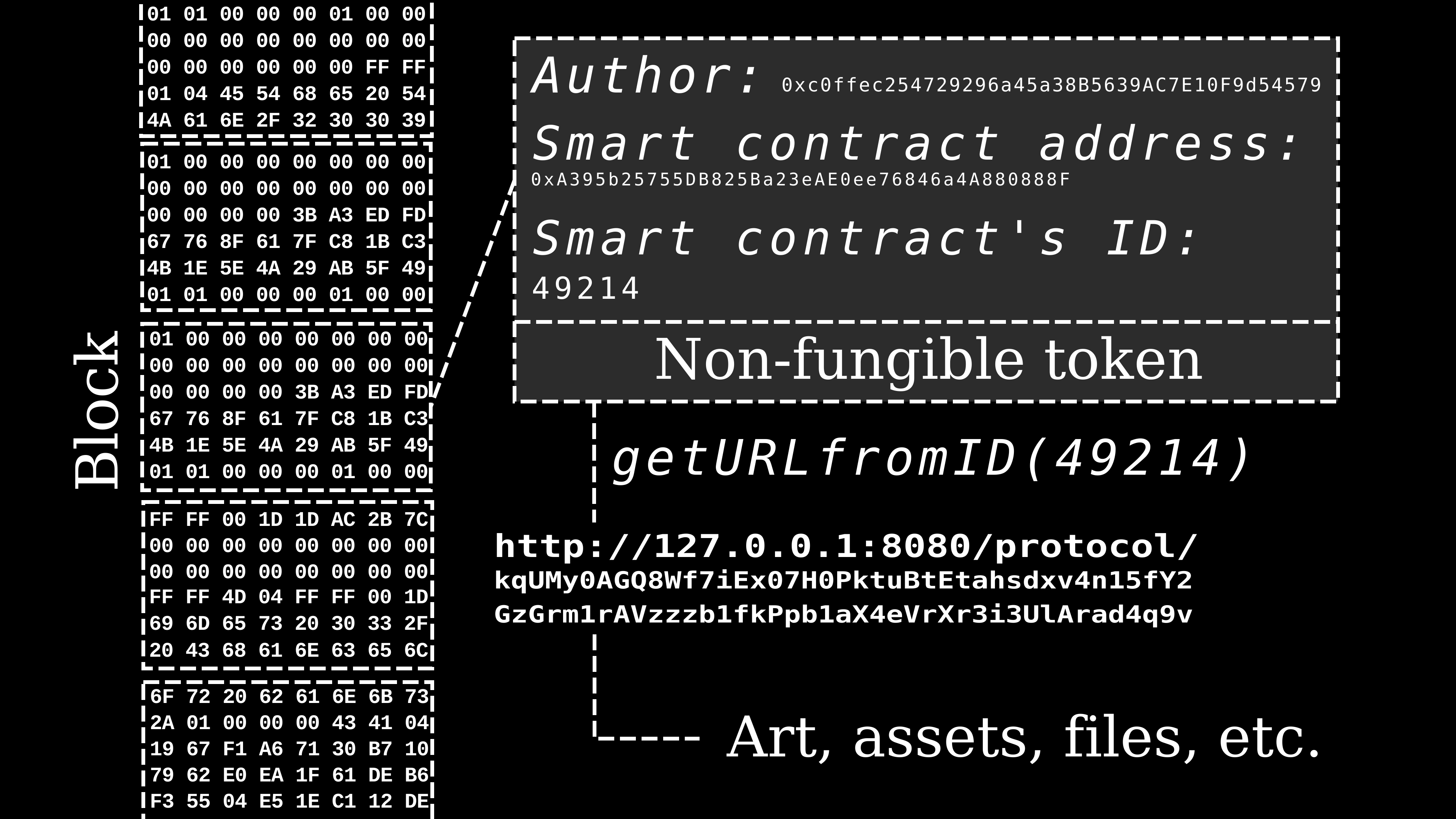
An NFT is a unique digital identifier that is recorded on a blockchain, such as Polkadot or Solana, and is used to certify ownership and authenticity of a digital item, such as an artwork, photo, video, or audio file. This allows NFTs to be sold, traded, and transferred like a physical collectible, with the ownership and provenance of the item being publicly verifiable on the blockchain. The use of smart contracts enables the creation, management, and transfer of NFTs, making them a key component of the Web3 ecosystem.
🔬 How It Works (Mechanics)
The mechanics of NFTs involve the use of smart contracts, which are self-executing contracts with the terms of the agreement written directly into lines of code, to create, manage, and transfer the ownership of the digital item. This process is facilitated by platforms such as OpenSea and Rarible, which provide a marketplace for buying, selling, and trading NFTs, often using Ethereum-based tokens.
📊 Key Facts, Numbers & Statistics
NFTs can be used for a wide range of digital items, including collectibles, in-game items, and virtual real estate. The development of NFT standards has played a crucial role in the growth of the market, enabling interoperability between different platforms and ecosystems.
🌍 Real-World Examples & Use Cases
Real-world examples of NFTs include digital art pieces and collectible items, which can be bought, sold, and traded on platforms such as Decentraland or The Sandbox. The use of NFTs in gaming and virtual reality has also become increasingly popular.
📈 History & Evolution
The concept of NFTs has been influenced by the rise of cryptocurrency markets, such as Bitcoin and Ethereum. The development of NFT standards has also played a crucial role in the growth of the market.
⚡ Current State & Latest Developments
The current state of the NFT market is one of uncertainty and debate, with some proponents arguing that NFTs have potential, while critics view them with skepticism. The market's future is uncertain, with some predicting that it will continue to grow and evolve, while others predict that it will collapse entirely.
🔮 Why It Matters & Future Outlook
The future outlook for NFTs is uncertain, with some predicting that the market will continue to grow and evolve, while others predict that it will collapse entirely. The development of NFT-based applications and use cases will be crucial in determining the future of the market.
🤔 Common Misconceptions
Common misconceptions about NFTs include the idea that they are only used for digital art, when in fact they can be used for a wide range of digital items. The lack of understanding about NFTs has led to misconceptions and skepticism, but as the market continues to evolve, it is likely that NFTs will become more widely accepted and understood.
Key Facts
- Origin
- Digital economy
- Category
- surf-boards
- Type
- concept
- Format
- what-is
Frequently Asked Questions
What is an NFT?
An NFT, or non-fungible token, is a unique digital identifier recorded on a blockchain that certifies ownership and authenticity of a digital item, such as an artwork, photo, video, or audio file. This allows NFTs to be sold, traded, and transferred like a physical collectible, with the ownership and provenance of the item being publicly verifiable on the blockchain.
How do NFTs work?
NFTs involve the use of smart contracts, which are self-executing contracts with the terms of the agreement written directly into lines of code, to create, manage, and transfer the ownership of the digital item. This process is facilitated by platforms such as OpenSea and Rarible, which provide a marketplace for buying, selling, and trading NFTs, often using Ethereum-based tokens.
What are some examples of NFTs?
NFTs can be used for a wide range of digital items, including collectibles, in-game items, and virtual real estate.
What is the future outlook for NFTs?
The future outlook for NFTs is uncertain, with some predicting that the market will continue to grow and evolve, while others predict that it will collapse entirely. The development of NFT-based applications and use cases will be crucial in determining the future of the market.